For those with hectic schedules, having tools to help manage daily stress is essential. Fortunately, anxiety management apps have been developed and have become indispensable in many people's lives. These apps offer support in dealing with everyday emotional challenges.
Designed to help with anxiety symptoms, these apps allow you to perform breathing exercises, guided meditation, keep mood diaries, and more. These tools are designed to integrate easily into your daily routine, providing effective relief and control.
If you're looking for effective ways to manage anxiety, keep reading. In this article, you'll discover how apps can be effective in managing anxiety, offering features tailored to your personal needs.
How can apps help manage anxiety?

Anxiety management apps can be an excellent tool in your daily life. They offer a variety of breathing exercises that can help calm the mind and reduce stress levels.
Additionally, many of them include guided meditation sessions that can be done according to your needs and a mood diary to track all feelings and identify possible emotional triggers.
For those with busy schedules, some apps provide alerts and reminders to ensure users regularly practice anxiety management techniques.
Best apps to control anxiety
Rootd
Rootd is an app that aims to help people manage anxiety and panic attacks. It offers effective breathing exercises to reduce stress and anxiety. These exercises are guided and can be performed at any time.
And that's not all! Rootd has a button that offers immediate help during a panic attack. When pressed, the button guides the user through some effective exercises and techniques to promote greater emotional control.
App link on Google Play Store
App link in the Apple Store
Dear Anxiety
Querida Ansiedade is a Brazilian app created to help people suffering from anxiety disorders. It offers therapeutic techniques such as breathing and relaxation exercises, essential resources for managing anxiety. stress in times of crisis.
Featuring an emotional diary where users can record their feelings, thoughts, and daily experiences, the app is designed to identify anxiety triggers and help users better understand their emotions and find effective ways to cope.
Headspace
Considered one of the most popular meditation apps in the world, Headspace helps its users reduce stress, improve focus, and promote overall well-being. Through guided meditations, the app teaches mindfulness techniques that can be used at any time of day for immediate relief from anxiety symptoms.
In addition to meditations, Headspace offers courses structured into themed packages that address different aspects of life and the mind. Whether it's reducing anxiety, improving sleep, or increasing focus, this app offers resources to help users achieve a state of emotional and mental well-being.
Evaluating the effectiveness of anxiety management apps
When you think about using one app to control anxiety, it's important to know how to evaluate whether it truly works for you. First and foremost, it's crucial to check whether the app you choose offers tools that align with what experts recommend for managing anxiety.
Another important factor is to seek the opinion of professionals in the field and check whether the applications collaborate with universities and research institutions to validate the effectiveness of their tools. These details certainly increase the tool's credibility.
Choose accessible apps that have clear usage instructions. Additionally, the app's ability to personalize the user experience, adjusting to individual needs and preferences, can increase its effectiveness.
Alternatives to anxiety management apps
If you're looking for other ways to manage anxiety without relying on an app, there are several approaches that can help you feel better.
Conventional therapy: Talking to a psychologist can help you understand and manage your feelings of anxiety more deeply.
Physical activities: Maintaining regular exercise is a great strategy. Activities like walking, race or yoga not only improves your physical health, but also helps release hormones that promote feelings of well-being.
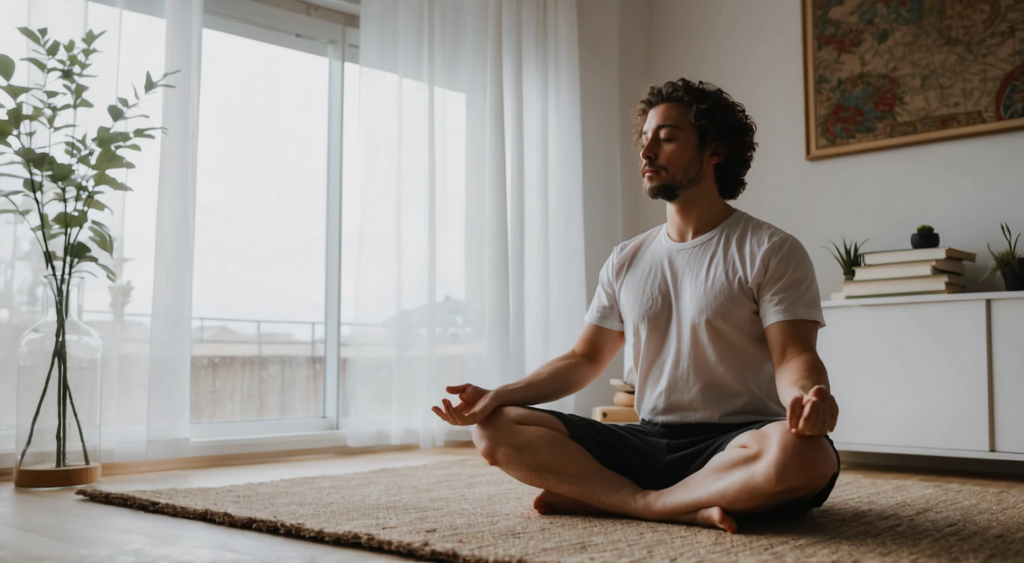
Relaxation techniques: Meditation, mindfulness, and breathing exercises can be extremely beneficial. They help center your mind, reducing stress and anxiety. Try dedicating a few minutes of your day to these practices and see the difference they can make.
Complementary therapies: Some people find relief from anxiety through acupuncture treatments, therapeutic massages that help reduce muscle tension, and aromatherapy, which involves the use of essential oils such as lavender and chamomile, to promote relaxation and reduce anxiety.
Conclusion
For those with busy days, having tools to help alleviate daily stress is essential. Anxiety management apps were developed to offer support and provide effective relief in times of crisis.
When choosing an app, it's important to consider all of its features and functionality. If apps aren't a good option, remember that there are several alternatives, such as therapy, exercise, and other therapeutic options like acupuncture and aromatherapy.
I hope all of these tips were helpful. Whether it's through an app or other practices, the important thing is to find methods that work for you and integrate them consistently into your routine.