
Monitoring your blood pressure is important for maintaining good health. Knowing your blood pressure levels helps prevent serious problems, such as hypertension and heart disease. With proper monitoring, you can identify changes and seek medical help when necessary, prioritizing your well-being.
Today, technology makes this task even easier. There are several blood pressure measuring apps that allow you to track your readings in a practical and organized way. They are useful tools for maintaining regular and accurate monitoring, avoiding unpleasant surprises in the future.
These apps are easy to use and offer many benefits. Read on to learn more about how they work, as well as how they can improve your blood pressure monitoring routine, making everything simpler and more efficient.
How do blood pressure apps work?
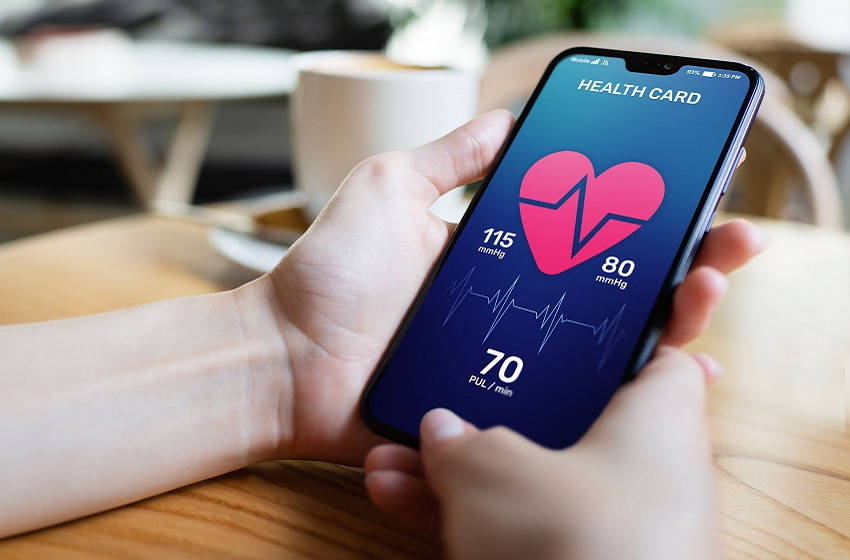
Blood pressure apps are easy to use. After measuring your blood pressure, you can manually enter the data for greater accuracy. The entered data is stored in the app, allowing you to keep a complete history of your measurements.
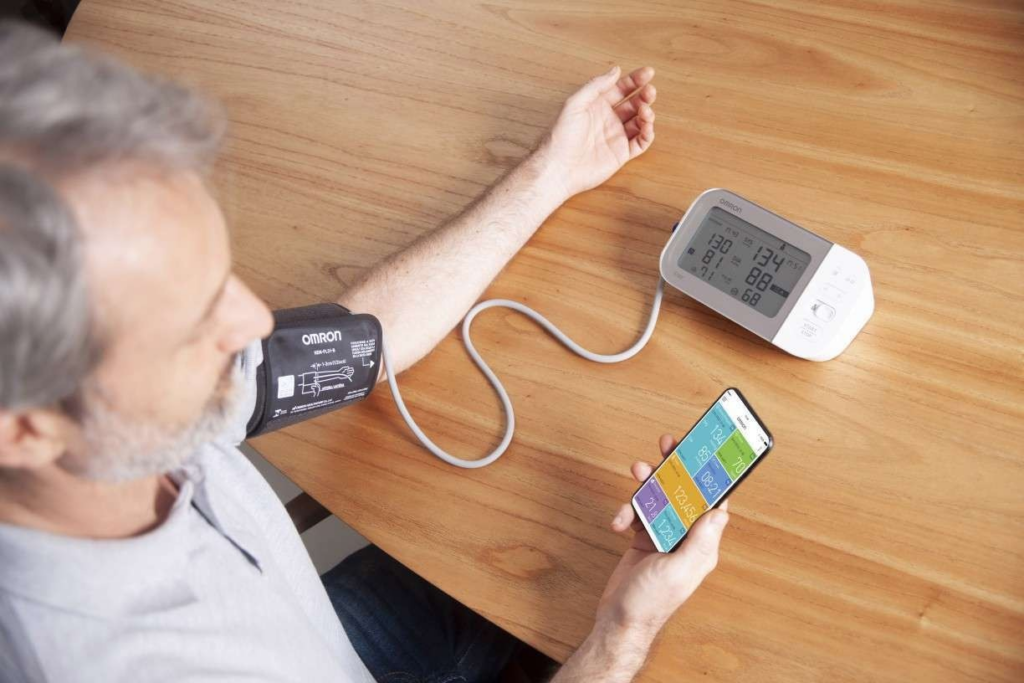
There are apps that connect to digital blood pressure monitors via Bluetooth or Wi-Fi and automatically transmit readings to the app. However, it's important to check that your blood pressure monitor is compatible with the app you want to use.
By using these apps, you can keep a tighter and more organized track of your blood pressure, facilitating continuous monitoring and allowing you to respond quickly to any significant changes.
Main features of blood pressure monitoring apps
Blood pressure apps have several functions that help you control your blood pressure. healthThey're designed to make monitoring much more practical and efficient. Below, we've outlined some of the main features of these apps:
- Reading log: you You can record all your blood pressure measurements in an organized way, making it easier to track and see trends over time.
- Automatic interval calculation: Some apps automatically calculate the intervals between measurements and display graphs that help you better understand changes in your blood pressure.
- Long-term analysis: Over time, apps allow you to analyze how your blood pressure fluctuates, helping you find patterns and better understand your health.
These features make blood pressure apps a very useful tool for those who need to monitor their health regularly. This way, you can track your readings, calculate intervals, and perform detailed analyses, all right on your phone.
Benefits of using apps to measure blood pressure
Using these apps has many benefits for your health, as they make monitoring easier and help you keep an accurate record of your measurements.
- Ease of use: these The apps are very simple to use, allowing you to record your measurements with just a few taps, which saves time and makes tracking more practical.
- Long-term monitoring: With them, you can track your readings over the months and years, which helps you identify patterns and make more informed decisions about your health.
- Data security: many These applications offer good security for your data, ensuring that your information is protected.
These are some of the advantages of using blood pressure apps. They help you maintain accurate and consistent monitoring of your health, providing greater peace of mind in your daily life.
Best apps to monitor blood pressure
Now that you know why using blood pressure apps is helpful, let's talk about some of the best ones available to help you manage your health in a practical way.
Blood Pressure – Leap Fitness
Leap Fitness is an app focused on monitoring blood pressure. It allows you to easily record your readings and track the results through graphs, with reminders to remember to measure your blood pressure regularly.
With an intuitive interface, it's ideal for those seeking simplicity and efficiency. It's worth noting that the app is only available for Android devices.
Pressure Gauge: Note
Pressure Monitor is another excellent app for monitoring blood pressure. It allows you to record measurements and add notes, which helps you remember specific details about each reading. This is perfect if you want more detailed control.
Additionally, the app offers graphs that show how your blood pressure changes over time. This makes it easier to identify changes and patterns, helping you maintain effective control of your health.
Tips for optimizing the use of blood pressure apps
To get the most out of blood pressure apps, it's best to measure your blood pressure at the same time each day. This helps maintain consistency, so choosing a quiet environment can help prevent unwanted variations in results.
Another valuable tip is to keep a detailed record of your measurements. Writing down details, such as what you ate before the measurement, can help you understand your readings more clearly and help identify factors that may influence your blood pressure.
To maximize the benefits, remember to review your readings regularly; checking the graphs and analysis offered by the apps will give you a broader view of your health.
Conclusion
As we've seen, keeping your blood pressure under control is important for your health, and with the right apps, you can record your measurements, track your results, and even identify patterns more easily.
They make the monitoring process more accessible and organized, allowing you to have a detailed history of your readings – which is especially useful for those who need to keep an eye on their health.
With the information we present, you can choose the most suitable blood pressure app and start monitoring your health efficiently.